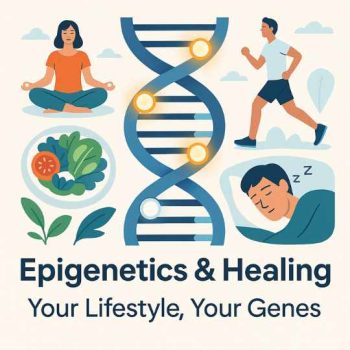
Epigenetics is a fascinating and powerful concept that’s increasingly being discussed in the world of wellness and healing. At its core, epigenetics is the study of changes in gene expression that don’t involve changes to the underlying DNA sequence. This means that our daily habits, emotions, and environment can influence how our genes are expressed, impacting our health, healing, and overall well-being.
We are all familiar with the saying “you are what you eat,” but what if it went even deeper than that? What if every action we take—what we eat, how we manage stress, our thoughts, and even our connection with nature—can potentially affect the very genes that shape our health and healing?
In this post, we explore the incredible role epigenetics plays in healing, offering insights into how small changes in our lifestyle can lead to profound changes in our health at the genetic level. We will dive into how epigenetics relates to healing, from the impact of a balanced diet to the stress-relieving effects of mindfulness and the connection between the mind and body.
Understanding Epigenetics and Healing
When we talk about “healing,” we often think of treatments, remedies, or procedures. However, the deeper science behind healing is also influenced by our epigenome—the environment within and around us that influences our genes. You can think of epigenetics as the “software” that runs our “hardware” (our DNA), shaping how our bodies respond to the world.
1. Lifestyle Choices and Healing
What you do on a daily basis matters more than you think. Your food choices, physical activity, and sleep patterns all have a role in determining how your genes respond.
- Diet: Consuming nutrient-dense foods, such as vegetables, fruits, and healthy fats, can activate healing genes that repair tissue and fight inflammation. Conversely, a poor diet, rich in processed sugars and unhealthy fats, can promote gene expressions linked to chronic diseases and slow down the body’s natural healing processes. [Source]
- Exercise: Regular physical activity has been shown to trigger gene expression that supports tissue repair and regeneration. It’s like giving your body the boost it needs to heal faster and more efficiently. [Source]
- Stress Management: Stress is one of the most powerful epigenetic factors. Chronic stress can alter gene expression in a way that hampers your body’s ability to heal. Practices such as mindfulness, yoga, and meditation can help “reset” your epigenome, promoting a balanced state that supports healing. [Source]
2. Environmental Influences on Healing
The world around us has a direct influence on our gene expression. Exposure to nature has been found to reduce stress, lower inflammation, and improve our body’s ability to heal. On the flip side, environmental toxins—such as pollutants and chemicals in our food—can cause harmful changes in the epigenome, leading to long-term health problems. [Source]
By minimizing exposure to harmful toxins, spending time outdoors, and surrounding ourselves with a calming environment, we can support a healing-friendly epigenetic landscape.
3. The Mind-Body Connection: Your Thoughts Matter
You may have heard of the placebo effect—the phenomenon where people experience real healing simply by believing in the effectiveness of a treatment. This is a prime example of epigenetics in action. Your beliefs, emotions, and mental state can trigger changes in your gene expression, influencing the healing process. [Source]
When you feel calm, happy, and at peace, your body responds by activating genes that promote healing. On the other hand, negative emotions such as anxiety, fear, and anger can trigger genes that lead to inflammation and chronic disease.
4. Healing from Within: Epigenetics and Holistic Practices
Holistic practices have long recognized the connection between mind, body, and spirit, and epigenetics is now providing the scientific basis for these ancient healing traditions. Ayurvedic medicine, traditional Chinese medicine, and other holistic healing systems focus on balancing the body’s energies and promoting natural healing.
By adopting holistic practices such as clean eating, regular exercise, stress management, and herbal treatments, you can influence your epigenome in ways that support the body’s natural healing abilities. [Source]
Conclusion: Embrace the Healing Power of Epigenetics
Epigenetics reminds us that healing is not just about what’s happening inside our cells, but also about how we live our lives. Our actions, thoughts, and environment all play a role in shaping our genetic expression and can either promote or hinder our ability to heal.
By making small, consistent changes—like eating nutrient-rich foods, managing stress, and living a mindful life—we can take control of our epigenome and promote faster, more effective healing. The good news? It’s never too late to start.
As we continue to learn more about the profound influence of epigenetics on our health, it’s becoming clearer that we have the power to shape our future health, not just through treatments, but through the everyday choices we make. The power of healing is within you—take the first step towards unlocking it today.
Recommended Wellness Products

The Biology of Belief
Powerful book by Dr Bruce Lipton explaining how beliefs influence biology, health and healing.
View on Amazon
4-Stage Air Purifier
Helps remove dust, pollutants and allergens to improve indoor air quality and respiratory health.
View on Amazon
Green Light Therapy Lamp
Green light therapy device often used to support relaxation, mood balance and headache relief.
View on AmazonDisclaimer: As an Amazon Associate I earn from qualifying purchases. This comes at no extra cost to you and helps support my content.