This revolutionary understanding of the gut-organ axis demonstrates that maintaining a diverse, balanced microbiome is essential not just for digestive health, but for the proper functioning of every major organ system in your body.
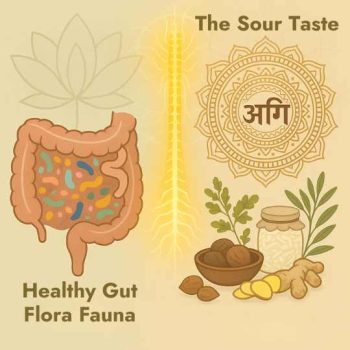
🔥 Ayurveda Meets Microbiome: Sour Taste & Digestive Fire
According to Ayurveda
Sour taste (amla rasa) is composed of earth + fire elements.
Probiotic-rich foods like curd, fermented rice, kanji, pickled vegetables nourish the agni.
A balanced sour intake kindles digestion, reduces ama (toxins) and promotes tissue regeneration (dhatu poshan).
Healthy Gut Flora’s Direct Impact on Hemostasis and Blood Clotting
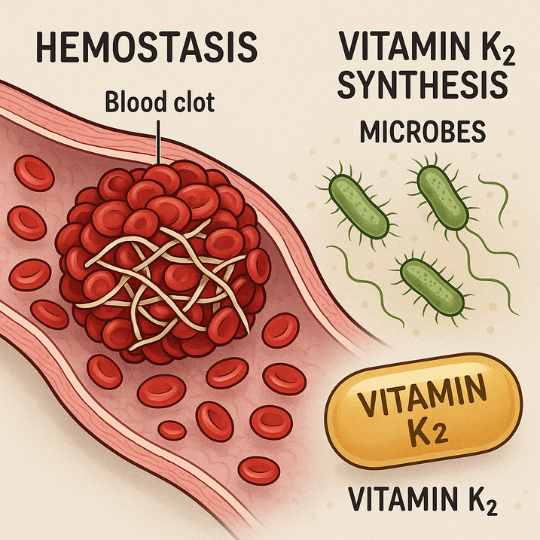
Key Mechanisms by Which Healthy Gut Flora Affects Hemostasis
- Metabolite Production
Beneficial bacteria produce short-chain fatty acids that reduce inflammatory markers affecting clotting - Platelet Function Regulation
Certain bacterial metabolites directly influence platelet aggregation and activation - Inflammatory Modulation
Healthy microbiome reduces systemic inflammation that can trigger abnormal clotting - Immune System Balance
Proper microbial diversity prevents immune-mediated thrombosis - Endothelial Health
Gut-derived metabolites support blood vessel wall integrity
Healthy Gut Flora’s Profound Impact on Brain and Spinal Cord Health
- The Gut-Brain-Spinal Cord Axis
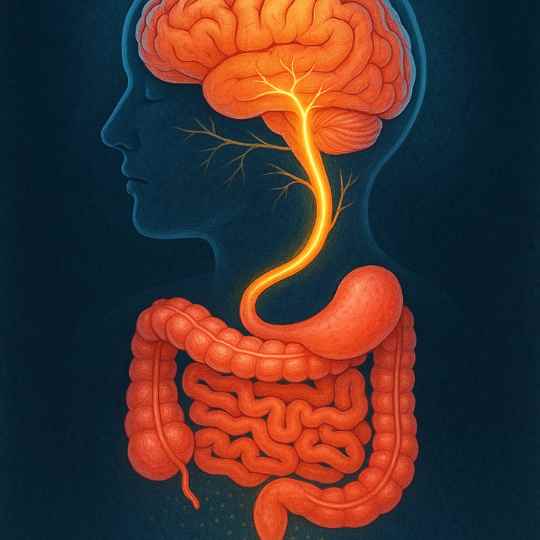
The relationship between healthy gut flora and central nervous system function represents one of the most exciting areas of modern medical research.
The gut-brain axis (GBA) consists of bidirectional communication between the central and the enteric nervous system, linking emotional and cognitive centers of the brain with peripheral intestinal functions. - Microbiome’s Direct Effects on Neural Function
Evidence shows that alterations in gut microbiota composition or dysbiosis, significantly impact neurological disorders (NDs) like anxiety, depression, autism, Parkinson’s disease (PD) and Alzheimer’s disease (AD). Dysbiosis can affect the central nervous system (CNS) via neuroinflammation. - Spinal Cord Health and Gut Microbiome
Revolutionary research has revealed that gut microbiome alterations precede spinal cord dysfunction. Alterations in the gut microbiome have been observed in SOD1G93A mice prior to the onset of motor dysfunction, muscle atrophy and immune cell activation in the spinal cord. - Myelination and Neural Communication
Two reports demonstrated that the presence of an intact gut microbiome modulates myelination. In these studies, myelin-related transcripts were increased in the prefrontal cortex, but not other brain regions, as a result of antibiotic-treatment or in GF mice.
Critical Ways Healthy Gut Flora Supports Brain and Spinal Cord Health
- Neurotransmitter Production
Gut bacteria produce GABA, serotonin, and dopamine that directly affect mood and cognition
(Gamma-aminobutyric acid (GABA) is a neurotransmitter (chemical messenger in brain, slows down brain by blocking specific signals in CNS ). GABA is known for producing calming effect.) - Anti-inflammatory Compounds
Beneficial bacteria reduce neuroinflammation that damages neural tissue - Blood-Brain Barrier Integrity
Healthy microbiome maintains protective barriers around the brain - Microglial Activation
Gut metabolites regulate brain immune cells that protect neural tissue - Stress Response Regulation
Microbiome influences HPA axis activity affecting stress hormones - Neural Plasticity
Bacterial metabolites support new neural connections and learning
Healthy Gut Flora’s Essential Role in Kidney and Liver Health
- The Gut-Kidney Axis
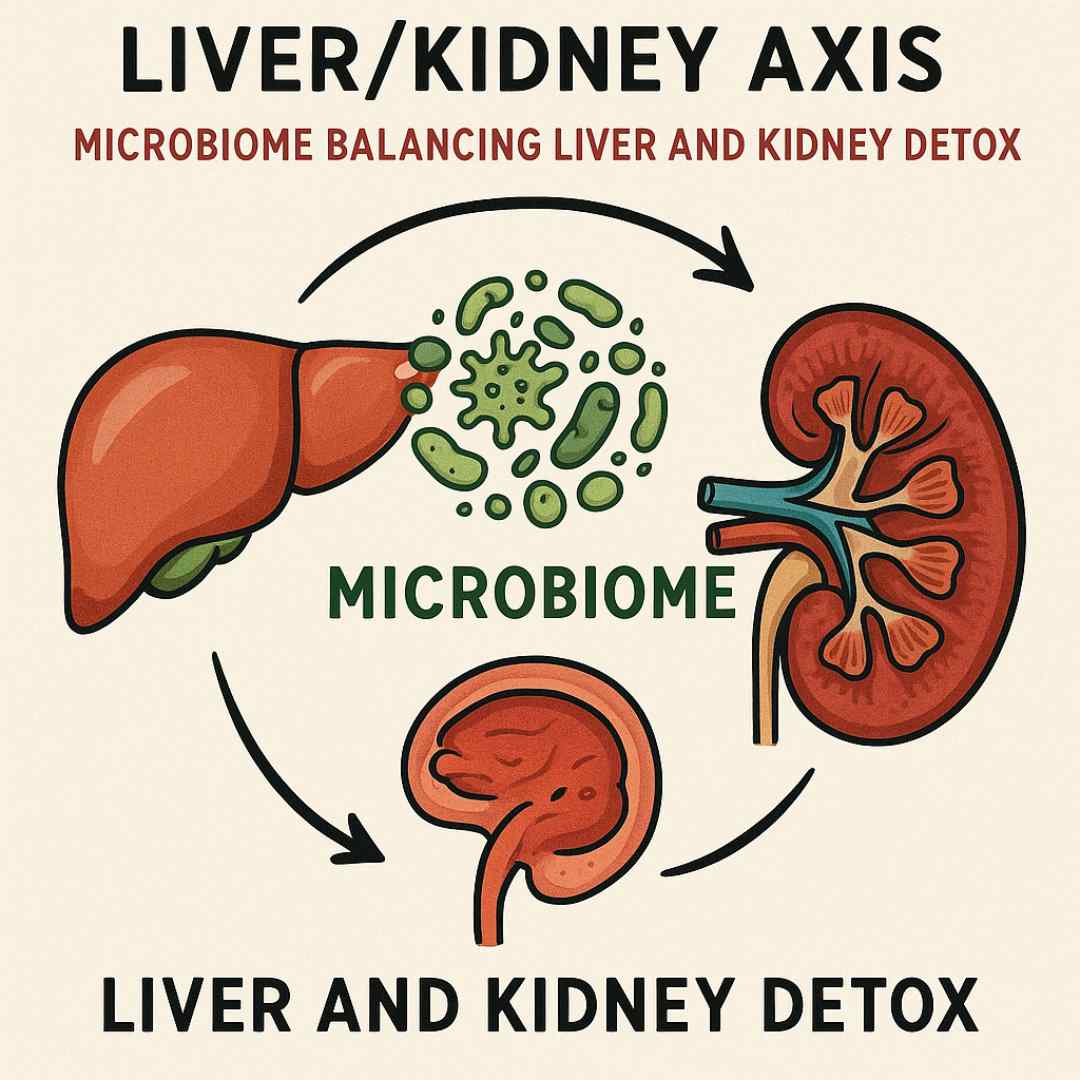
The relationship between healthy gut flora and kidney function involves complex metabolic interactions that directly affect renal health. The overall impact of microbiome/microbiota on kidney diseases with specific focus on their role as markers, mediators or amplifiers of kidney function or dysfunction. - Gut-Liver Repair Mechanisms
The gut microbiota exerts a critical influence on the gut–liver axis, facilitating intestinal and hepatic repair through intricate bidirectional mechanisms. This demonstrates how healthy gut flora actively participates in liver regeneration and detoxification processes. - Metabolic Impact on Organ Function
Healthy gut flora produces metabolites that directly support both kidney and liver function:
- Uremic Toxin Reduction: Beneficial bacteria break down harmful compounds before they reach the kidneys
- Blood Pressure Regulation: Microbial metabolites help control hypertension, reducing kidney stress
- Anti-inflammatory Effects: Reduces chronic kidney inflammation
- Mineral Balance: Helps regulate electrolyte absorption and excretion
- Detoxification Support: Gut bacteria pre-process toxins, reducing liver workload
- Bile Acid Metabolism: Microbiome regulates bile acid production and circulation
- Fat Metabolism: Beneficial bacteria help prevent fatty liver disease
- Immune Modulation: Reduces liver inflammation and autoimmune responses
Healthy Gut Flora’s Critical Impact on Bone Marrow and Blood Cell Production
The Gut-Bone Marrow Connection
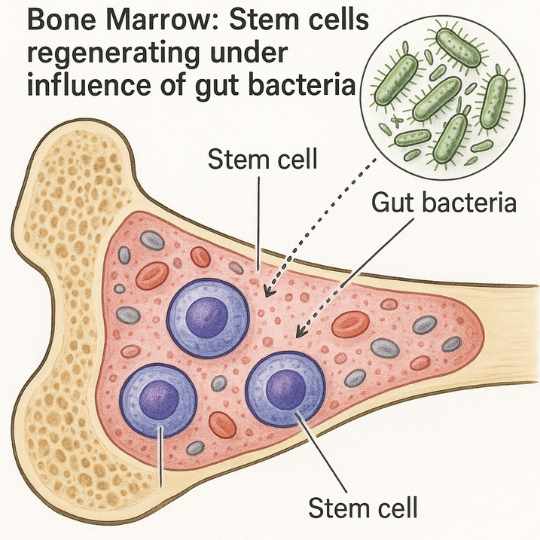
One of the most groundbreaking discoveries in microbiome research involves the direct impact of healthy gut flora on hematopoiesis (blood cell production). Hematopoietic stem cells (HSCs) undergo self-renewal and differentiation in the bone marrow, which is tightly regulated by cues from the microenvironment.
Microbial Metabolites and Stem Cell Function
Although functional interplay between intestinal microbiota and distant sites beyond the gut has been identified, the influence of microbiota-derived metabolites on hematopoietic stem cells (HSCs) remains unclear. This study investigated the role of microbiota-derived lactate in hematopoiesis.
The research revealed that microbiota-derived lactate directly promotes both hematopoiesis and red blood cell production by inducing stem cell factor production.
Antibiotic Effects on Blood Cell Production
Antibiotics impair murine hematopoiesis by depleting the intestinal microbiota, suggesting it is reasonable to hypothesize that the microbiome plays a direct role in post-transplant immune recovery.
[Hematopoiesis is the process of forming blood cells and blood cell components whereby pluripotent hematopoietic stem cells (HSCs) give rise to progenitor cells capable of terminally differentiating into either the myeloid or lymphoid lineages. The myeloid compartment primarily comprises of granulocytes, erythrocytes, monocytes and megakaryocytes while lymphoid compartment comprises of T, B, and natural killer cells.
A Study: Hematopoiesis
Microbiome Complexity and Immune Cell Development
The size of the bone marrow myeloid cell pool has been shown to correlate strongly with the complexity of the intestinal microbiota. This demonstrates that greater microbial diversity directly translates to better immune system development and function.
Key Mechanisms by Which Healthy Gut Flora Affects Bone Marrow
- Stem Cell Niche Regulation: Bacterial metabolites maintain optimal conditions for stem cell function
- Growth Factor Production: Microbiome influences production of factors essential for blood cell development
- Immune Cell Maturation: Gut bacteria provide signals necessary for proper immune cell development
- Iron Metabolism: Beneficial bacteria help regulate iron availability for red blood cell production
- Anti-aging Effects: Healthy microbiome prevents premature aging of blood-forming cells
Troubleshooting Common Gut Flora Imbalances
Signs of Dysbiosis Affecting Systemic Health
Hemostasis-Related Symptoms
- Unusual bleeding or bruising patterns
- Poor wound healing
- Excessive blood clotting concerns
- Cardiovascular symptoms
Neurological Symptoms
- Brain fog and cognitive difficulties
- Mood disorders and anxiety
- Sleep disturbances
- Memory problems
Organ Dysfunction Signs
- Chronic fatigue suggesting bone marrow issues
- Digestive symptoms affecting liver-gut axis
- Blood pressure irregularities affecting kidneys
- Frequent infections indicating immune dysfunction
Targeted Restoration Protocols
Phase 1: Remove Harmful Factors (2-4 weeks)
- Eliminate ultra-processed foods
- Reduce stress through proven techniques
- Address any infections or overgrowths
- Minimize unnecessary medications
Phase 2: Restore Beneficial Bacteria (4-8 weeks)
- High-quality probiotic supplementation
- Diverse fermented food consumption
- Prebiotic fiber gradual introduction
- Anti-inflammatory whole foods diet
Phase 3: Reinforce and Maintain (Ongoing)
- Regular probiotic and prebiotic intake
- Stress management practices
- Continued dietary diversity
- Regular monitoring and adjustment
Summary Table
| Body System | Microbial Impact | Ayurvedic View | Lab Evidence |
|---|---|---|---|
| Hemostasis | Platelet modulation, Vitamin K2 | Rakta dhatu balance via Agni | ✔️ NEJM, NCBI |
| Brain/Nervous | Serotonin, neuroplasticity, memory | Manas-sharir via Sattva | ✔️ Cryan et al |
| Spinal Cord | Myelination, glial support | Majja dhatu & Vata balance | ✔️ Rothhammer |
| Liver & Kidney | Detox support, ammonia clearance | Ranjaka pitta, Mutravaha srotas | ✔️ Vaziri et al |
| Bone Marrow | Immune cell production | Ojas formation, Rasayana | ✔️ Science 2014 |
🧫 Probiotics & Prebiotics: The Sour Wisdom 🍋
Probiotics = beneficial live microbes
Prebiotics = non-digestible food for probiotics
Ayurveda classifies these as sour taste enhancers, contributing to Agni Deepana (digestive fire enhancement), removing ama, and supporting dhatu balance.
✅ Optimal Gut Health Foods (In few lines!)
🌿 Fermented foods: kanji, buttermilk, amla pickle
🧘♂️ Lifestyle: Early meals, breathwork, stress reduction
🪔 Herbal support: Triphala, Kutki, Guduchi, Pippali
Scientific References and Research Citations
- Gut Microbiome and Thromboembolism: PMC8780211 – Comprehensive review of microbiome’s role in blood clotting disorders and thromboembolism pathogenesis.
- Cleveland Clinic TMAO Research: April 25, 2017 – Groundbreaking study linking dietary choline, gut bacteria byproducts, and increased blood clotting risk in humans.
- Microbiome Cardiovascular Effects: Circulation Research 2020 – Detailed analysis of gut microbiota’s causal links to cardiovascular disease through metabolite production.
- Weill Cornell COVID-19 Study: August 2022 – Preclinical research demonstrating gut bacteria’s influence on viral entry, immune response, and coagulation.
- Microbiota-Gut-Brain Axis: Nature Signal Transduction and Targeted Therapy 2024 – Comprehensive review of therapeutic applications in neurodegenerative diseases.
- Central Nervous System Impact: Journal of Neuroinflammation 2019 – Research on biological links between microbiota, immune signaling, and CNS function.
- Gut-Brain Communication: PMC4367209 – Analysis of bidirectional communication between central and enteric nervous systems.
- Spinal Cord Microbiome Connection: Multiple studies documenting gut microbiome alterations preceding motor dysfunction and spinal cord changes.
- Hematopoietic Stem Cell Research: Frontiers in Immunology February 2024 – Impact of gut microbial signals on bone marrow and hematopoietic stem cells.
- Microbiota-Derived Lactate Study: Nature Experimental & Molecular Medicine 2021 – Role of gut-derived lactate in promoting hematopoiesis and red blood cell production.
- Kidney Disease and Microbiome: NIDDK 2024 Workshop – Comprehensive analysis of microbiome impact on kidney function and disease.
- Gut-Liver Repair Mechanisms: ScienceDirect 2025 – Critical influence of gut microbiota on intestinal and hepatic repair processes.
- Antibiotic Hematopoiesis Effects: Blood Journal 2017 – Demonstration of how antibiotics impair blood cell production by depleting intestinal microbiota.
- Myeloid Cell Pool Correlation: American Society of Hematology Blood 2015 – Strong correlation between bone marrow immune cell numbers and intestinal microbiota complexity.
- Microplastics and Stem Cells: Cell Discovery 2024 – How environmental toxins disrupt gut microbiota and affect hematopoietic stem cell function.
Important Medical Disclaimer: This comprehensive analysis of healthy gut flora’s impact on systemic health is based on current peer-reviewed scientific research and should not replace professional medical advice. Always consult qualified healthcare providers before making significant changes to your diet, supplement regimen, or treatment protocols, especially if you have existing health conditions or take medications that could interact with microbiome interventions. Individual responses to probiotic and prebiotic interventions may vary, and professional monitoring may be necessary for optimal and safe outcomes.