
Coconut Oil and Milk Benefits + How to Make Coconut Milk at Home Step by Step
Coconut has been revered in Ayurveda for its nourishing, cooling, and rejuvenating properties. Both coconut oil and coconut milk offer tremendous benefits—from promoting mental calmness to supporting blood clotting (haemostasis), reducing inflammation, and aiding digestion when used wisely.Ayurvedic Wisdom: Cool, Sattvic & Nourishing
In Ayurveda, coconut is classified as Sheetal (cooling) and Sattvic in nature. Coconut milk and oil pacify Pitta and Vata dosha, and are especially recommended in conditions of heat, inflammation, or digestive sensitivity.- Supports tissue building (Rasayana)
- Calms excessive heat in skin and digestion
- Promotes clarity and calmness in the mind
Modern Science: Haemostasis & Gut Benefits
Recent studies highlight that virgin coconut oil contains ‘medium-chain fatty acids like lauric acid,’ which have antimicrobial, clot-supportive, and anti-inflammatory properties. Possible benefits of coconut oil include increasing good cholesterol, controlling blood sugar, reducing stress, and more. Health effects of coconut oil: Summary of evidence from systematic reviews Health benefits of virgin coconut oil Coconut milk is also rich in electrolytes, healthy fats, and antioxidants that support liver health, hormonal balance, and gut lining. Laboratory studies suggest coconut extract’s potential in aiding platelet function and wound healing—essential aspects of haemostasis. Virgin coconut oil and diabetic wound healing Anticoagulation properties of virgin coconut oilImportant Tip: Make It Easy to Digest
Coconut milk is naturally cool in potency. If you experience gastric discomfort, Ayurveda suggests adding:- ✅ A pinch of jeera powder (cumin)
- ✅ A pinch of black pepper
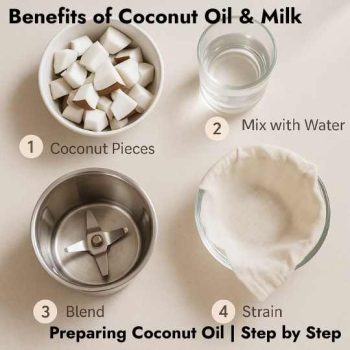
How to Make Coconut Milk at Home (Step by Step)
- Break open a mature coconut and remove the white kernel. Wash it clean.
- Grate or chop finely and add to a blender with 1 to 1.5 cups of warm water.
- Blend thoroughly for 2 minutes until smooth and creamy.
- Strain through a muslin cloth or fine sieve. This is your first extract (thick milk).
- Repeat with the same pulp and more warm water for a second extract (light milk), useful for cooking.
Affiliate Recommendations

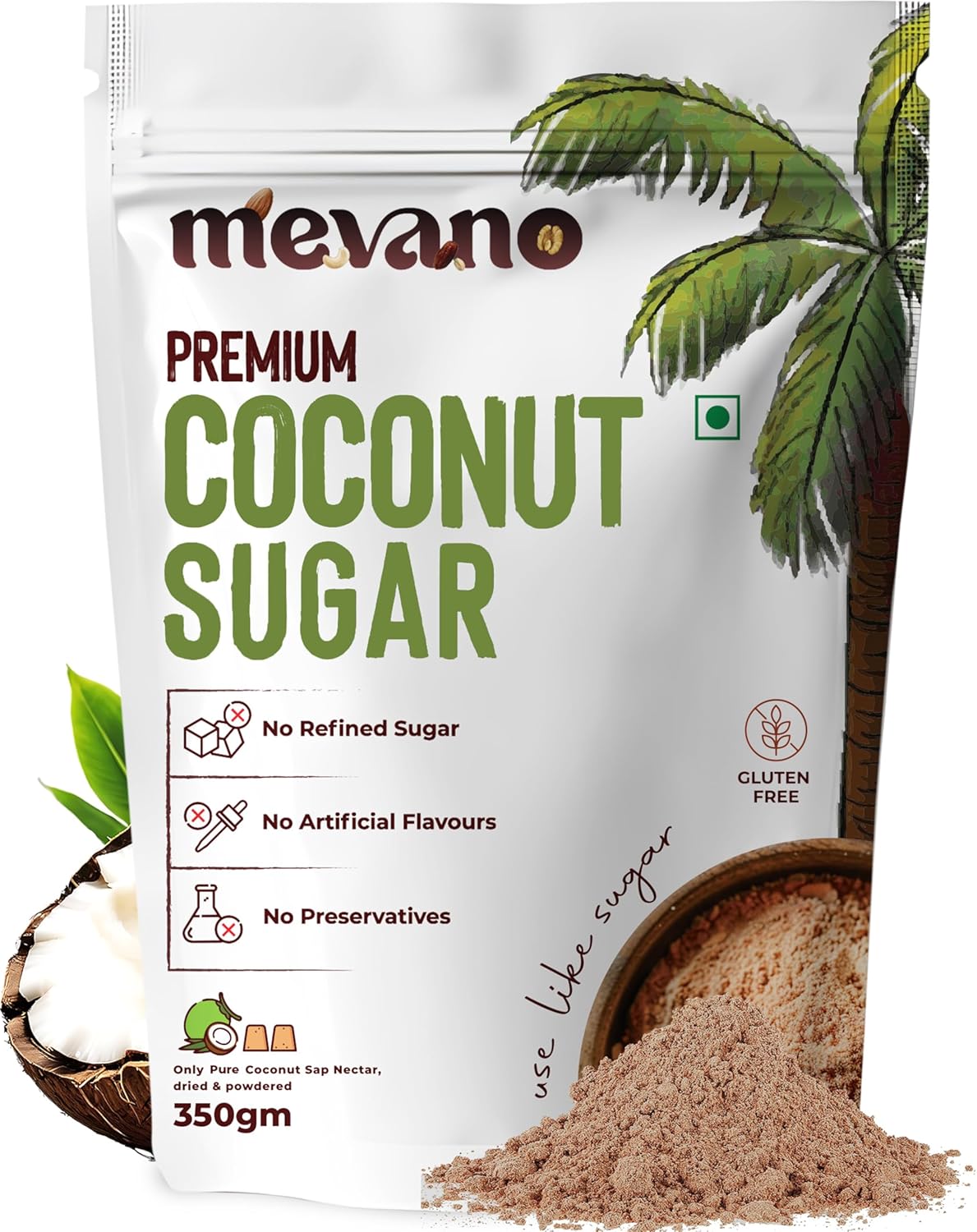
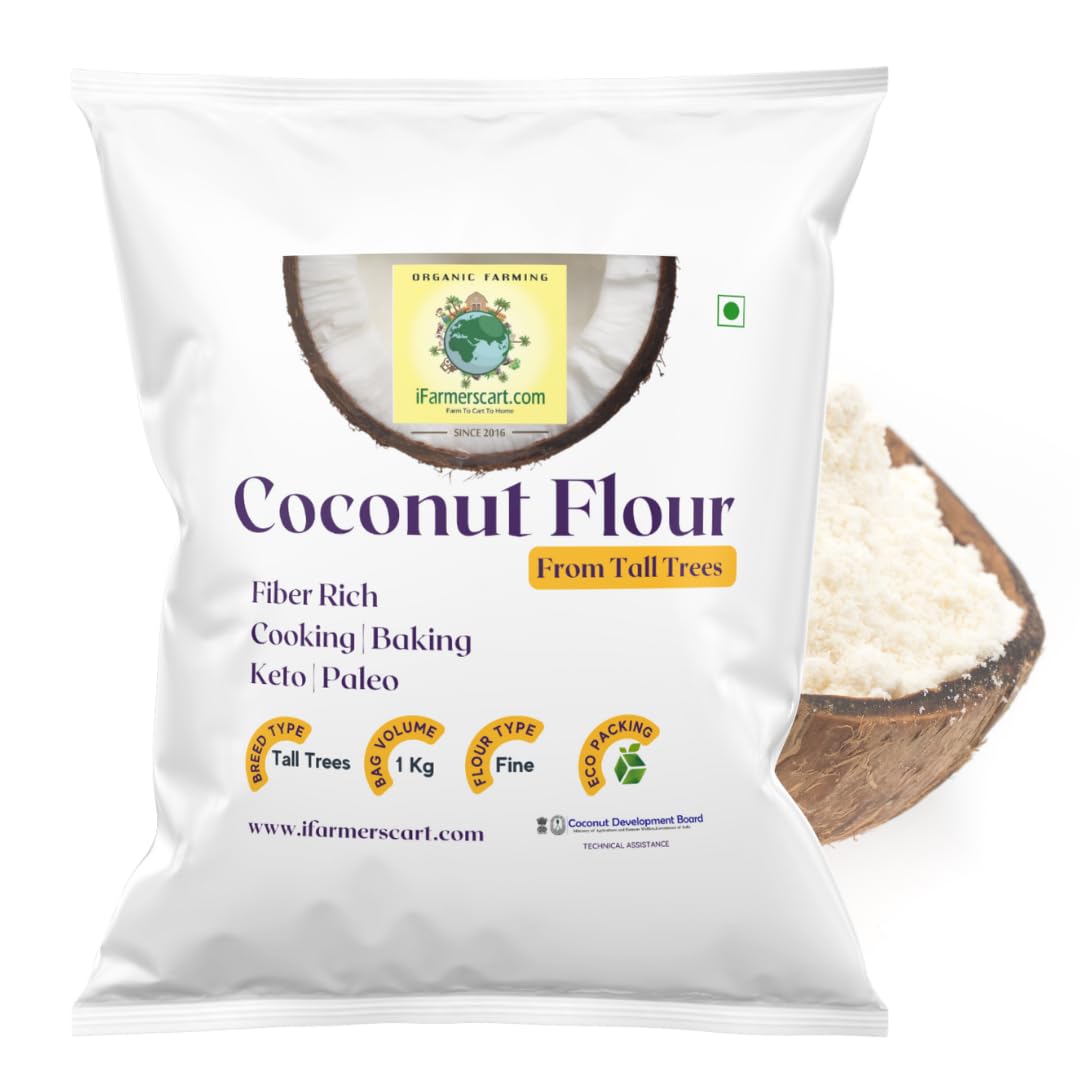
Affiliate Disclosure: This post contains affiliate links. If you purchase through these links, we may earn a small commission at no extra cost to you.