
Introduction
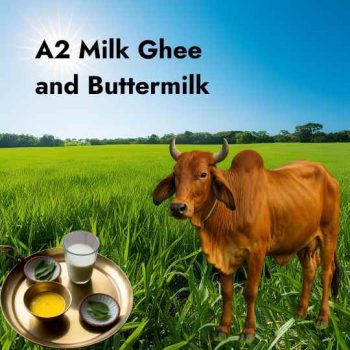
In the realm of nutrition, A2 Milk, Ghee and Buttermilk have garnered attention for their health benefits. Rooted in Ayurvedic traditions and now backed by modern science, these dairy products offer a range of advantages for digestion, immunity, and overall well-being.
Understanding A2 Milk
A2 milk contains only the A2 beta-casein protein, differing from the A1 beta-casein found in most commercial milk. Studies suggest that A2 milk may be easier to digest, completely non-toxic and less likely to cause discomfort compared to A1 milk.
Benefits of Ghee
(A2 only) Ghee, or clarified butter, is a staple in Ayurvedic medicine. It’s rich in fat-soluble vitamins like A, D, E, and K, and contains butyrate, a short-chain fatty acid beneficial for gut health. Ghee’s high smoke point makes it suitable for cooking, and its absence of lactose and casein makes it tolerable for those with dairy sensitivities.
Though, I personally always suggest to add-pour a2-ghee from top to hot Pulses-vegetables. Additionally, I say so, as I firmly believe, that cooking oils should have ‘Hot Potency’ for ease of enzymatic secretions (During & Post meals).
The Role of Buttermilk
(A2) Buttermilk, especially when cultured, is a probiotic-rich beverage that aids digestion. In Ayurveda, it’s recommended to consume buttermilk during lunch to support digestive fire (Agni).
Ayurvedic Timing for Consumption
- Ghee: Can be consumed at any time; often used to enhance the absorption of nutrients.
- Buttermilk: Best consumed during lunch to aid digestion.
Sour taste best avoided late afternoon and thereafter. - Milk: Recommended post-dinner for its calming properties.
Scientific Research Supporting A2 Dairy Products
- Digestibility of A2 Milk: Research indicates that A2 milk may reduce gastrointestinal discomfort compared to A1 milk.
- Ghee and Heart Health: Studies have shown that moderate consumption of ghee does not adversely affect lipid profiles and may even have a neutral or beneficial effect.
- Buttermilk and Cholesterol: Consumption of buttermilk has been associated with reductions in cholesterol levels.
Considerations Regarding Buffalo Milk and Ghee
While buffalo milk and ghee are natural, they are higher in fat content and may be harder to digest for some individuals. Scientific studies suggest that buffalo ghee may reduce enzymatic secretions, impacting digestion. It’s essential to consider individual tolerance and consult healthcare professionals when incorporating these into the diet.
Conclusion
Integrating A2 milk, ghee, and buttermilk into your diet can offer numerous health benefits, aligning with both ancient Ayurvedic practices and modern scientific findings. As with all foods, moderation and individual tolerance are key.
References:
- Potential Harmful Effects of Genetically Engineered Microorganisms
- Genetically Modified Foods: Safety, Risks, and Public Concerns
- Genetically Modified Plants and Human Health
- Health Benefits of Ghee: Review of Ayurveda and Modern Science
- Indian Cow and A2 Beta-Casein – A Scientific Perspective on Health Benefits
- A2 Milk: New Perspectives for Food Technology and Human Health
- Lipid Profile in Healthy Human Volunteers Before and After Consumption of Desi Cow Ghee
- The Effect of Ghee (Clarified Butter) on Serum Lipid Levels and Microsomal Lipid Peroxidation
- Ghee: Its Properties, Importance, and Health Benefits


Disclaimer: As an Amazon Associate, I earn from qualifying purchases. This comes at no extra cost to you and helps support my content. Thank you for your support!