
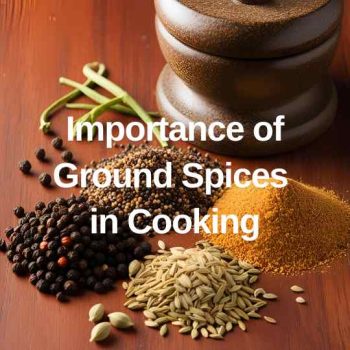
When it comes to choosing the best cooking spices, it’s not just about flavor—it’s also about how they’re processed. Many modern kitchens rely on high-speed mixer grinders, but this convenience comes at a nutritional cost. Traditional low-speed stone grinders help retain the powerful health benefits and rich flavors of spices like black pepper, cumin, carom, and fennel.
The Nutritional Richness of Common Kitchen Spices
Black Pepper
Black pepper is a good source of several vitamins and minerals, including Vitamin K, Vitamin E, Vitamin A, Thiamine (B1), Riboflavin (B2), Pantothenic Acid (B5), Vitamin B6, Manganese, Copper, Iron, Calcium, Phosphorus, Potassium, Selenium, Zinc, Chromium. These nutrients contribute to various health benefits, such as bone health, wound healing, and metabolism support.
Cumin Seeds
Cumin seeds are rich in iron, magnesium, and manganese. They also provide B vitamins and vitamin E. These nutrients support digestion and have anti-inflammatory effects.
Carom Seeds (Ajwain)
Carom seeds are incredibly nutritious, being rich in fiber, antioxidants, and other vitamins and minerals. They contain active compounds like thymol and carvacrol, which have antibacterial and antifungal properties.
Fennel Seeds
Fennel seeds are a good source of carbohydrates and dietary fiber. They also provide important vitamins and minerals, including Calcium, Iron, Magnesium, Phosphorus, Potassium, Sodium, Zinc, Copper, Manganese, Vitamin A, Vitamin C. These nutrients may help support a heart-healthy diet and overall well-being.
The Impact of Grinding Methods on Spice Quality
High-speed grinding methods, such as those using mixer grinders, generate significant heat, which can degrade sensitive compounds in spices:
- Volatile Oils Loss: Essential oils responsible for aroma and health benefits can evaporate due to the heat produced during grinding.
- Amino Acid Degradation: Elevated temperatures can break down amino acids, reducing the nutritional value of spices.
- Flavonoid Breakdown: Heat can also degrade flavonoids, diminishing the antioxidant properties of spices.
In contrast, low-speed stone grinding minimizes heat generation, preserving these vital compounds.
Preserving the Integrity of Spices
To maintain the full benefits of your spices:
- Use Coarse-Ground Spices: Coarse grinding reduces the surface area exposed to air, slowing oxidation and preserving flavor.
- Opt for Low-Speed Stone Grinders: These grinders operate at lower temperatures, preventing the loss of volatile oils and nutrients.
- Store Properly: Keep spices in airtight containers away from heat and light to preserve their potency.
Embrace the Best Cooking Spices
Incorporating coarse-ground spices like black pepper, cumin, carom, and fennel into your cooking not only enhances flavor but also ensures you’re reaping their full health benefits. By choosing traditional grinding methods, you honor the integrity of these spices and elevate your culinary creations.
- Biomedical Applications of Black Pepper
- Black Pepper: Chemical Composition and Biological Activities
- Biochemical Composition of Cumin Seeds
- Chemical Composition, Biological Activities, Uses, Nutritional and Mineral Contents of Cumin (Cuminum cyminum)
- Physio-Biochemical Composition and Untargeted Metabolomics of Cumin (Cuminum cyminum L.)
- Phytochemical and Biochemical Analysis of Ajwain Seed’s Content
- Carum copticum L.: A Herbal Medicine with Various Pharmacological Effects
- Bioactive Compounds of Ajwain (Trachyspermum ammi [L.] Sprague)
- Compositional Profiling of Fennel Seed
- Phytochemical Assessment, Elemental Composition, and Biological Kinetics of Foeniculum vulgare Mill. Stalks
- A Review of Chemistry and Bioactivities of a Medicinal Spice: Foeniculum vulgare
Thermal degradation of 18 amino acids during pyrolytic processes


Disclaimer: As an Amazon Associate, I earn from qualifying purchases. This comes at no extra cost to you and helps support my content. Thank you for your support!